Play N64 Games Online
The Nintendo 64 shelf is lit up and ready — every game here boots straight in your browser, no downloads, no dust. Nintendo hardware from 1996, running for real.
It was released in Japan on June 23, 1996, in North America on September 29, 1996, and in Europe and Australia on March 1, 1997. It was Nintendo's third major home console, following the Super Nintendo Entertainment System, and competed with Sony's PlayStation and the Sega Saturn in the fifth generation of consoles.
Top Scores — Insert Coin to Challenge
Filter by genre 28
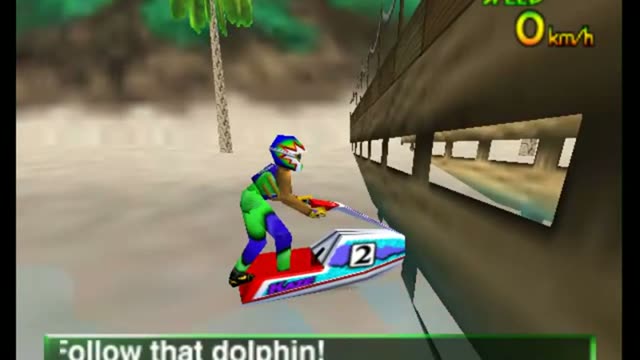 Wave Race 64 - Kawasaki Jet SkiN64
▶ PLAY
Wave Race 64 - Kawasaki Jet SkiN64
▶ PLAY
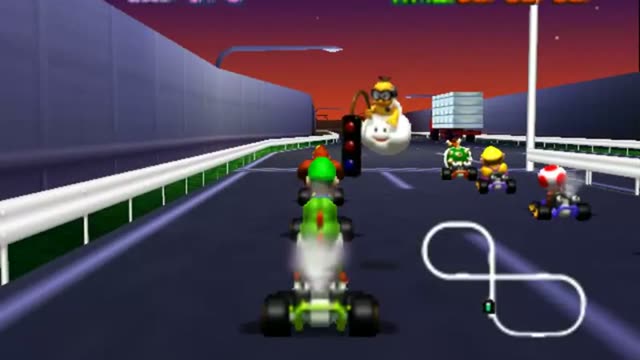 Mario Kart 64N64
▶ PLAY
Mario Kart 64N64
▶ PLAY
 GoldenEye 007N64
▶ PLAY
GoldenEye 007N64
▶ PLAY
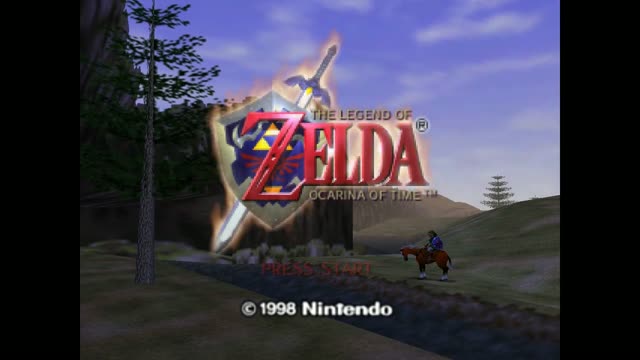 Legend of Zelda, The - Ocarina of TimeN64
▶ PLAY
Legend of Zelda, The - Ocarina of TimeN64
▶ PLAY
 Conker's Bad Fur DayN64
▶ PLAY
Conker's Bad Fur DayN64
▶ PLAY
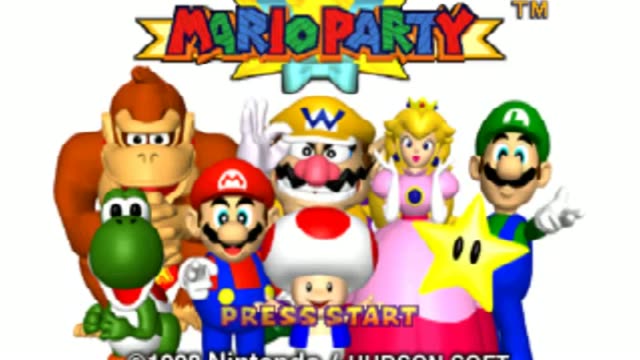 Mario PartyN64
▶ PLAY
Mario PartyN64
▶ PLAY
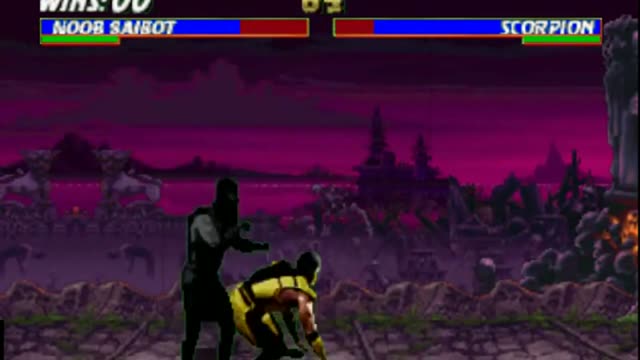 Mortal Kombat TrilogyN64
▶ PLAY
Mortal Kombat TrilogyN64
▶ PLAY
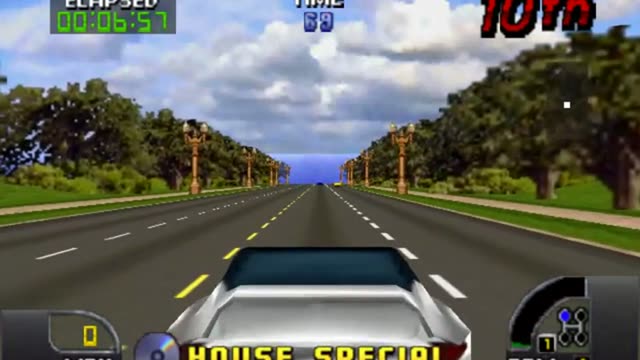 Cruis'n USAN64
▶ PLAY
Cruis'n USAN64
▶ PLAY
 Bomberman 64N64
▶ PLAY
Bomberman 64N64
▶ PLAY
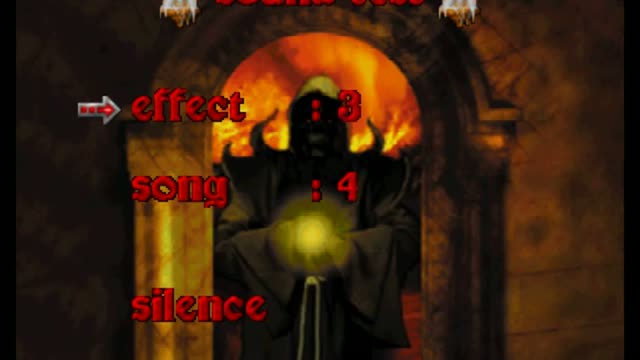 HexenN64
▶ PLAY
HexenN64
▶ PLAY
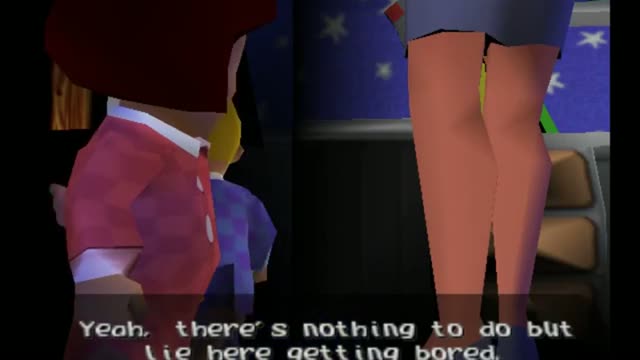 40 WinksN64
▶ PLAY
40 WinksN64
▶ PLAY
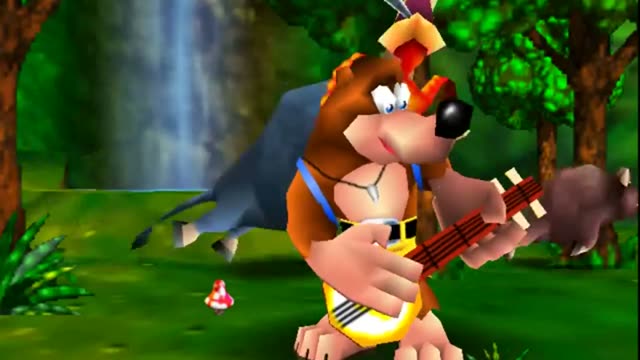 Banjo-KazooieN64
▶ PLAY
Banjo-KazooieN64
▶ PLAY
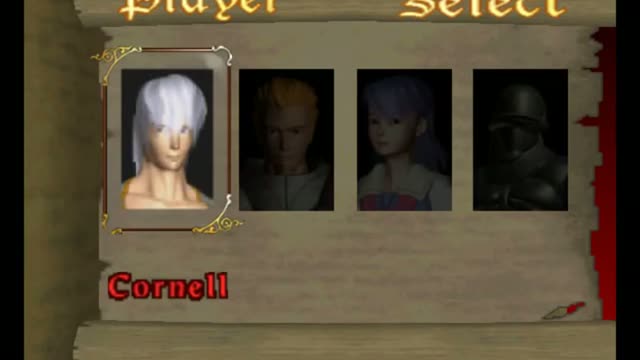 Castlevania - Legacy of DarknessN64
▶ PLAY
Castlevania - Legacy of DarknessN64
▶ PLAY
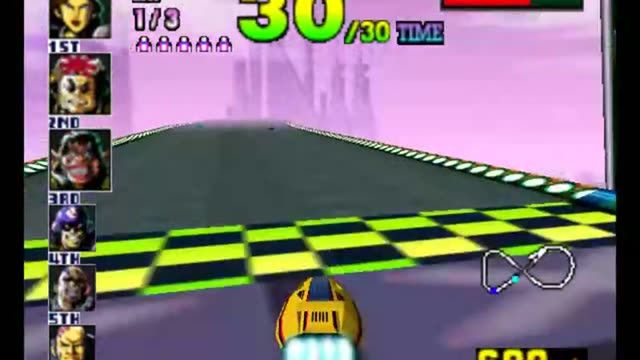 F-Zero XN64
▶ PLAY
F-Zero XN64
▶ PLAY
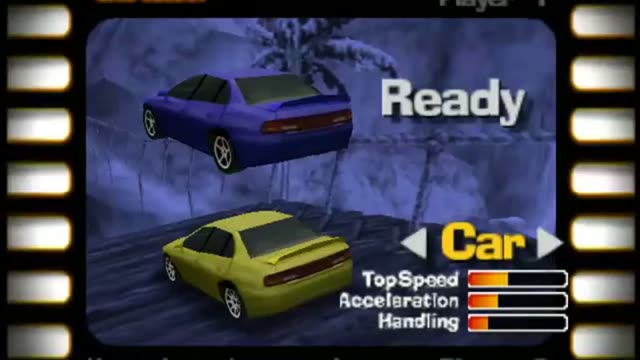 HSV Adventure Racing!N64
▶ PLAY
HSV Adventure Racing!N64
▶ PLAY
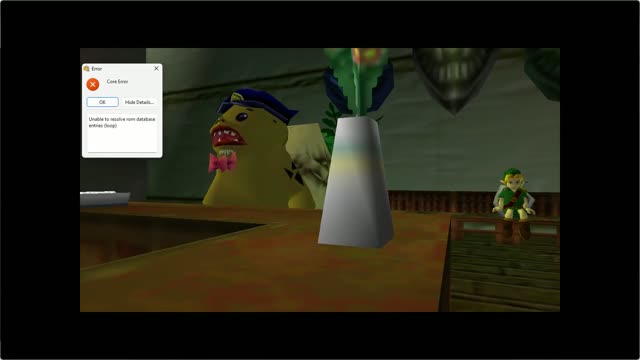 Legend of Zelda, The - Majora's MaskN64
▶ PLAY
Legend of Zelda, The - Majora's MaskN64
▶ PLAY
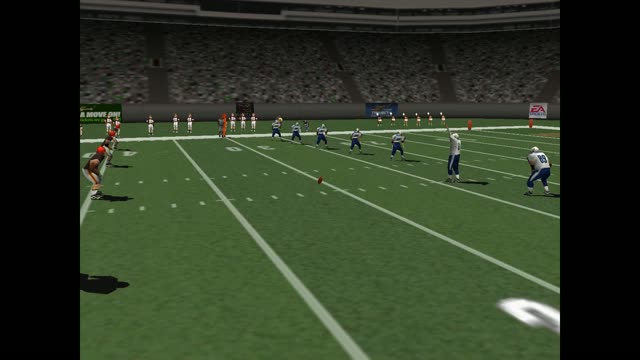 Madden NFL 2002N64
▶ PLAY
Madden NFL 2002N64
▶ PLAY
The N64 Story
According to Nintendo of America representatives, Nintendo had been planning a simultaneous launch in Japan, North America, and Europe, but market studies indicated that worldwide demand for the system far exceeded the number of units they could have ready by launch, potentially leading to consumer and retailer frustration. Nintendo disputes this account, claiming SGI ultimately favored Nintendo because Sega had demanded exclusive rights to the technology, while Nintendo was open to a non-exclusive licensing agreement. Rambus hoped the partnership would encourage RDRAM adoption in PCs. thumb|SGI Onyx like those used for early development thumb|SGI Indy [[Software development kit|development kit with Nintendo 64 simulation board and controller connectors on breakout board]] To enable game creation before the hardware was finalized, SGI offered a development platform based on the Onyx supercomputer to simulate expected console performance.
The Ultra 64 was marketed as the world’s first 64-bit console. Game development studios included Acclaim, Angel Studios, DMA Design, GameTek, Midway, Paradigm, Rare, Sierra On-Line, and Spectrum HoloByte. Several months before the launch, GamePro reported that many gamers, including a large percentage of their own editorial staff, were already saying they favored the Nintendo 64 over the Saturn and PlayStation.
Why the N64 Still Hits
In 2011, IGN ranked it as the ninth-greatest video game console of all time. On G4techTV's Filter, the Nintendo 64 was voted up to No. Asked if consumers should buy a Nintendo 64 at launch, buy it later, or buy a competing system, a panel of six GamePro editors voted almost unanimously to buy at launch; one editor said consumers who already own a PlayStation and are on a limited budget should buy it later, and all others should buy it at launch.
Describing the quality control incentives associated with cartridge-based development, the Times cited Nintendo's position that cartridge game developers tend to "place a premium on substance over flash", and noted that the launch games lack the "poorly acted live-action sequences or half-baked musical overtures" which it says tend to be found on CD-ROM games. The magazine suggested that the Nintendo 64 would play a major role in introducing children to digital technology in the final years of the 20th century. In a 1997 year-end review, a team of five Electronic Gaming Monthly editors gave the Nintendo 64 scores of 8.0, 7.0, 7.5, 7.5, and 9.0.
How N64 Games Run Here
These N64 games run great (and even better in our Mini App) — it can be played here online in your browser or with your PC without having to hook up all of your N64 parts, plays the same, straight in your browser tab. No plugins or controllers needed (but you can add one if you want!), and touch screens work out of the box, and a free account unlocks save states on any device.
Relive your owned N64 games the way they were meant to be played… with ease!